Turning a Sermon into a Podcast: A Step-by-Step Guide
Every sermon takes time, thought, and preparation. Turning that message into a podcast gives it a life beyond the service where it was first shared. Congregation members can revisit meaningful teachings, people who missed Sunday can catch up, and listeners can engage with your message throughout the week. From capturing clear audio and making simple edits to choosing how you’ll distribute your episodes, a little planning can help you create a process that’s easy to maintain this week after week.
The good news? You don’t need a professional recording studio, expensive equipment, or hours of editing to get started. With a little planning and a few simple steps, you can capture and reuse your weekly sermons to create podcast episodes that are easy to access and enjoyable to listen to.
Step 1: Gather the Basic Equipment
If your church is already somehow recording sermons, start by checking with the audio or media team; your current sound system may already capture a clean recording, meaning you can skip purchasing additional equipment. You don’t need a whole recording studio or a ton of equipment to get started. If you don’t already have this equipment for your existing services, it’s easy to find.
You’ll only need a few things to get started:
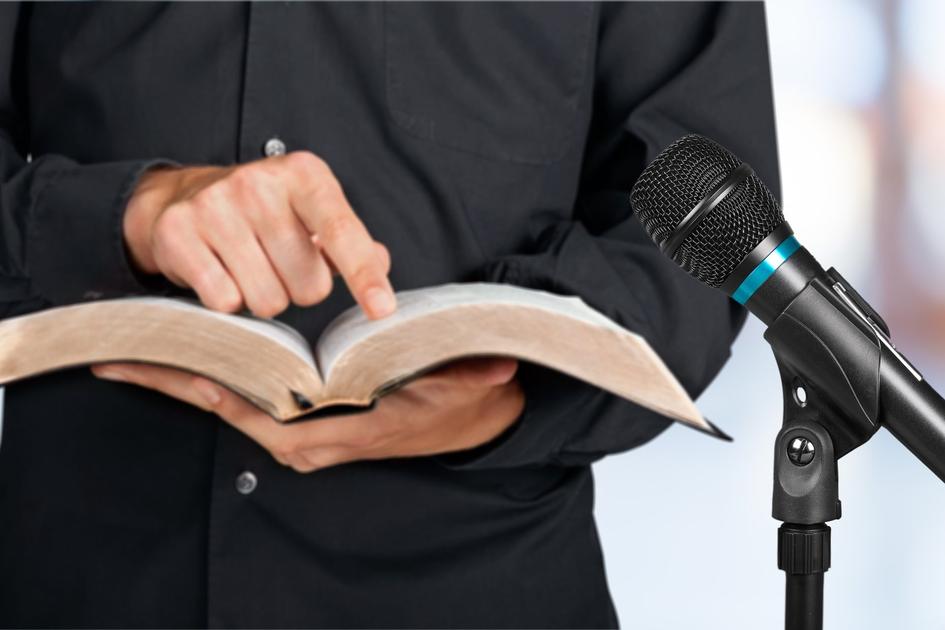
A microphone: A good quality microphone helps capture clear audio. If your ministry already uses a microphone, you may be able to use the existing sound system recording.
Recording and editing software: You’ll need a way to capture, save, and edit your sermon audio. This could include your church’s existing soundboard, a portable digital recorder, or a computer with editing software. Editing tools allow you to trim unnecessary pauses, adjust volume, and add personal touches like a customized introduction and closing.
Headphones: A pair of headphones helps you listen back to your recording and catch any issues with sound quality before publishing.
Step 2: Record Your Sermon with Audio in Mind
If you’re already recording your sermons for livestreams or online services, you’re off to a great start. Unfortunately, audio that works well in a church sanctuary or on a video recording doesn’t always translate perfectly to a podcast, since your listeners won’t have visuals to follow along.
Check your microphone placement. Make sure your microphone is positioned to capture the speaker’s voice clearly without picking up too much background noise. Consider using a wired headset microphone to maximize quality and give your speaker the ability to easily move around.
Try running test recordings and listen back so you can make corrections prior to investing your time in a full episode. This way you don’t have to go back and re-record or do a whole lot of editing.
Step 3: Edit Your Podcast for Clarity, Not Perfection
Once you’ve recorded your sermon, it’s time to prepare it for your podcast audience. Don’t worry, you don’t need to turn into a professional audio editor overnight. The goal is to make your sermon easy to listen to.
Start by listening through the full recording once to identify sections that need to be cleaned up. Listen for long periods of dead air, technical interruptions, or noises that weren’t intended for the recording. If your sermon includes a lengthy introduction or announcements that aren’t relevant to podcast listeners, consider trimming those as well.
Don’t feel the need to remove every natural pause, breath or moment of reflection. Those are part of the speaker’s delivery and can help create a more natural listening experience. Keep what your congregation may be accustomed to in the flow of an in-person sermon.
Create short, reusable intros and outros (aka “bumpers”) that you can add to each episode. This saves time and helps establish a recognizable identity to your church podcast. Your bumpers don’t have to be long and elaborate; a simple 10-20 second introduction can include your church’s name, the speaker or pastor’s name, and a brief message from the church.
Step 4: Write a Search-Friendly Podcast Title and Description
You’ve recorded, edited and packaged your sermon. Now it’s time to give people an opportunity to find you. Your podcast title and description play an important role in helping potential listeners outside your congregation discover your content.
While existing members of your congregation may recognize a sermon title like “Week 3: Walking in Faith,” someone searching for encouragement or guidance in a particular topic may not be searching for this term. Instead, think about how someone unfamiliar with your church might search for the subject you’re discussing. Use clear, descriptive titles that communicate the episode’s main topic or message and what listeners can expect to learn.
Your episode description should provide a brief overview of the message, highlight key topics and give listeners a reason to press play. Include relevant keywords naturally, such as faith, prayer, forgiveness, spiritual growth, or the specific subject of your sermon.
Step 5: Choose Your Distribution Channels
Now that your sermon is ready, it’s time to make it available to your audience. The great thing about podcasting is that you don’t have to limit yourself to just one platform or listening method. The more accessible your content is, the more opportunities people have to find and hear your message.
Some of the ways to distribute your message are:
Podcast platforms: Make your episodes available on popular podcast directories and listening apps, such as Apple Podcasts and Spotify (among others). These platforms can help a new audience discover your church and make it easy for existing listeners to follow and listen.
Your church website: Add a podcast page or embed your episodes directly on your website. This gives visitors and congregation members a central place to find sermons, explore past episodes and learn more about your church.
Call to Listen Options with Dial-a-Podcast: Not everyone uses traditional app-based podcast software and websites and some of your listeners may be in rural areas. A phone call option gives listeners the ability to access your message when tech is not ideal or available. It’s also something that’s highly shareable because it doesn’t require any additional steps like searching or downloading apps.
Social media: Share short audio or video clips, memorable quotes or key takeaways from your sermon on your church’s social media channels. These snippets can spark interest and encourage traffic to the full episode.
Offering multiple listening and discovery options allows you to meet your congregation members where they are and invite new members that would not have had access to your church and message otherwise.
Step 6: Stay Consistent
You created a great episode, shared something meaningful, and opened the door for new listeners to discover your content. Don’t let it be a one-time success. One of the most valuable things you can do for your podcast is establish a consistent publishing schedule.
If your church holds weekly services, publishing a new episode every week may be a natural fit. You already have the content, so adding podcast distribution to your existing workflow can be a manageable way to keep your show active. Consistency doesn’t mean you need to publish every single week without exception. It’s better to maintain a realistic publishing rhythm than to commit to a schedule that becomes difficult to sustain.
You’ve got a message. Make it accessible to those who need it, when they need it.
Turning your sermons into a podcast doesn’t have to be complicated. You already have the most important ingredient: meaningful content that people need to hear. With a little attention to recording quality, some basic editing, and a thoughtful distribution plan, you can extend the reach of your message well beyond your service days and the walls of your church. With the right approach, your sermons can continue reaching, encouraging and connecting with people throughout the week, anywhere in the world.
If you’re looking for a simple way to make your church podcast available by phone, explore Dial-a-Podcast and see how easy it can be to give your congregation another way to listen.